
Depreciation is the difference between what a vehicle cost when new and what it is worth today. It is the single largest expense in car ownership for most buyers. The good news is that used cars have already taken the biggest drop in value, which means a smart pre owned purchase can help you keep more money in your pocket. This used car depreciation guide explains how value changes over time, which models lose less, and how to make informed choices before you buy. Explore real world tips for estimating a fair price, predicting resale value, and timing a trade in. Use it alongside our resources like used inventory and value my trade to compare options and plan next steps. When you understand depreciation, you can choose a vehicle that fits your budget and goals with confidence.
Below you will find practical guidance on how depreciation works, what affects it, and how to shop with long term value in mind. Learn how to compare price histories, evaluate mileage and condition, line up financing, and plan your future trade in. Use related resources like used car price trends, how to value a used car, and used car warranty guide to round out your research.
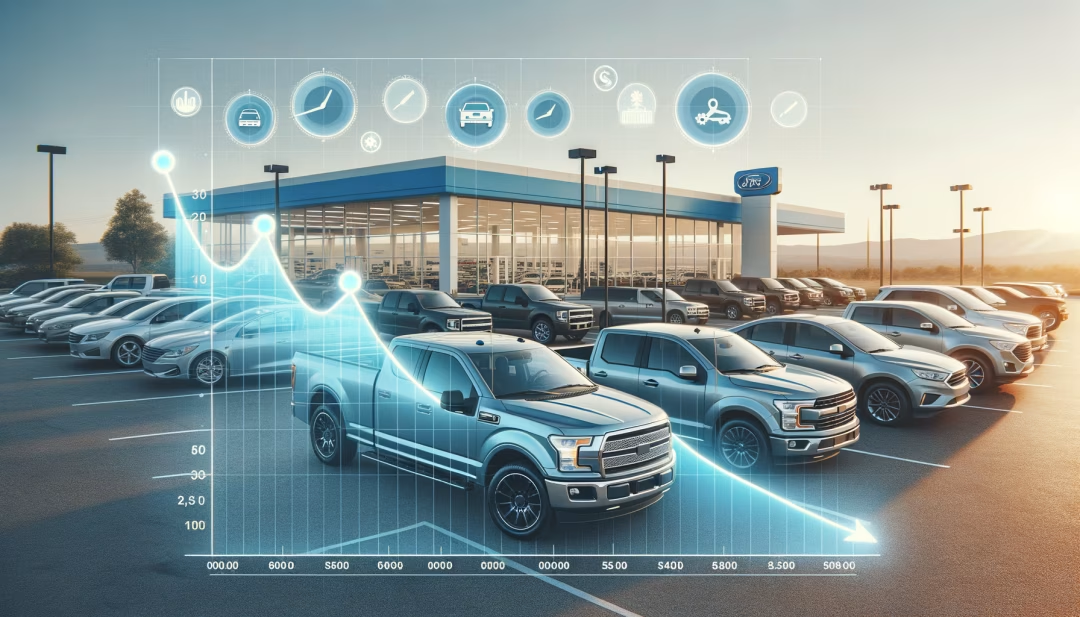
Depreciation is the rate at which a vehicle loses value over time and miles. New cars typically lose the most in the first two to three years. After that, the rate of loss usually slows. As a used car buyer, you benefit because someone else already absorbed that early decline. Understanding the curve helps you avoid overpaying and gives you a plan for ownership length, maintenance, and resale timing.
A common pattern looks like this. A large initial drop in year one, a continued but smaller decline in years two and three, and then a slow taper from years four through eight. The actual curve depends on brand reputation, reliability, fuel efficiency, body style, trim choices, options, and even regional demand. When you choose models known for retention and buy at the right point in the curve, you preserve more of your investment and lower total cost of ownership.
Depreciation percentages vary by market conditions, but these general benchmarks can help with planning. Year one often brings the steepest loss. Years two and three continue with moderate declines. Years four to seven trend steadier as condition and mileage play bigger roles. Past eight to ten years, condition, service history, accident records, and desirability matter more than age alone.
The following factors have the biggest impact on used car value. Use them to compare vehicles and predict how they might hold up over your ownership period.
Start with models that have a reputation for value retention, then compare trim levels, options, and prices within your market. Look for vehicles that balance age and mileage. For instance, a four year old model with moderate miles can offer a sweet spot of lower depreciation and modern features. Cross check asking prices against history reports, maintenance records, and live listings in your area.
A strong valuation blends market comparisons with vehicle specific details. Begin by reviewing comparable vehicles of the same year, trim, mileage, and condition. Adjust for features like advanced safety systems, all wheel drive, premium audio, and driver assistance packages. Independent inspections are valuable if you are unsure about condition. Documented service can justify a slightly higher price because it supports long term reliability and resale.
To estimate fair value, chart a range with low, median, and high comps and place your target vehicle on that spectrum. Pay attention to outliers caused by accidents, branded titles, modifications, or missing options. Read our step by step walkthrough in how to value a used car and pair it with the used car inspection checklist for a confident decision.
Financing terms influence how depreciation affects equity. A longer loan with a small down payment can leave you upside down early in the term if the vehicle loses value faster than the loan balance drops. A shorter term or a larger down payment can help you stay aligned with market value. Compare options and rates, and consider total interest cost alongside monthly payment comfort.
Depreciation is only one part of total cost. Fuel, maintenance, repairs, insurance, fees, and taxes add up over time. A model with slightly higher purchase price but lower running costs can win over your entire ownership period. Balance your budget by comparing these categories, then factor in how long you plan to keep the vehicle and what resale might look like at the end of that window.
Timing your exit can preserve equity. If your vehicle is approaching a major service interval or tire replacement, consider selling before those costs arrive. Market seasonality matters too. Convertibles tend to do better in warmer months. Trucks and suvs often see steady demand in regions with winter weather. Keep maintenance records handy to support your asking price and simplify the sale process.
Compact suvs and crossovers have been strong performers due to versatile cabins, family friendly features, and fuel efficiency. Midsize and full size suvs with three rows can hold value when they offer modern safety and reasonable fuel economy. Pickup trucks with popular configurations and towing packages also tend to depreciate gradually because of steady work and lifestyle demand. Sedans can be excellent value buys because sticker prices are often lower and depreciation may already be priced in, especially for reliable popular models. Hybrids that achieve real world savings and have proven battery reliability tend to keep value well. Electric vehicles with strong range and widespread charging compatibility show better retention, while older short range models can depreciate faster as technology advances.
Supply, interest rates, fuel prices, and regional preferences all shape used car values. When inventories tighten, depreciation can slow because buyers compete for fewer vehicles. Higher fuel prices can shift demand toward efficient models and away from larger powertrains. Seasonal weather patterns affect demand for all wheel drive and winter ready vehicles. Check macro trends and compare them with your local listings to set realistic expectations.
Use this short checklist to reduce depreciation risk and protect your budget. Verify the title status and history. Inspect or have a trusted technician inspect the vehicle. Confirm service intervals and tire and brake life. Test all technology and driver assistance features. Compare warranty coverage and consider an extended plan for complex models. Finally, map your likely ownership length and projected resale value so your exit plan is clear before you sign.
Apply the principles in this guide to your short list. Review reliability, study market pricing, and verify history. Compare ownership costs and map your exit plan. When you are ready to look closer at vehicles that already cleared the steep part of the depreciation curve, start with our used inventory and keep this guide handy as you review options.

