
Trying to choose between a used truck and a used SUV. This guide breaks down the key differences in capability, cabin space, fuel economy, ownership costs, and value so you can match the right vehicle to your needs. If you haul heavy gear, tow equipment, or work at job sites, a used truck may deliver the strength and bed utility you want. If you need flexible seating, easier parking, and family friendly comfort, a used SUV may be the smarter move. We also cover drivetrain options like 4WD and AWD, safety and tech features to look for, and model segments that fit different budgets. Ready to compare the best fits across towing, cargo, commute efficiency, and winter traction. Explore the insights below, browse our research resources, and see how trucks and SUVs stack up for your lifestyle.
Both used trucks and used SUVs can be excellent long term choices when you focus on the right priorities. Think about how often you tow, how many passengers you carry, where you drive, and what you want to spend on fuel and maintenance. Use the comparisons, checklists, and links below to narrow your options and build a confident shortlist that fits your daily routine and weekend plans.
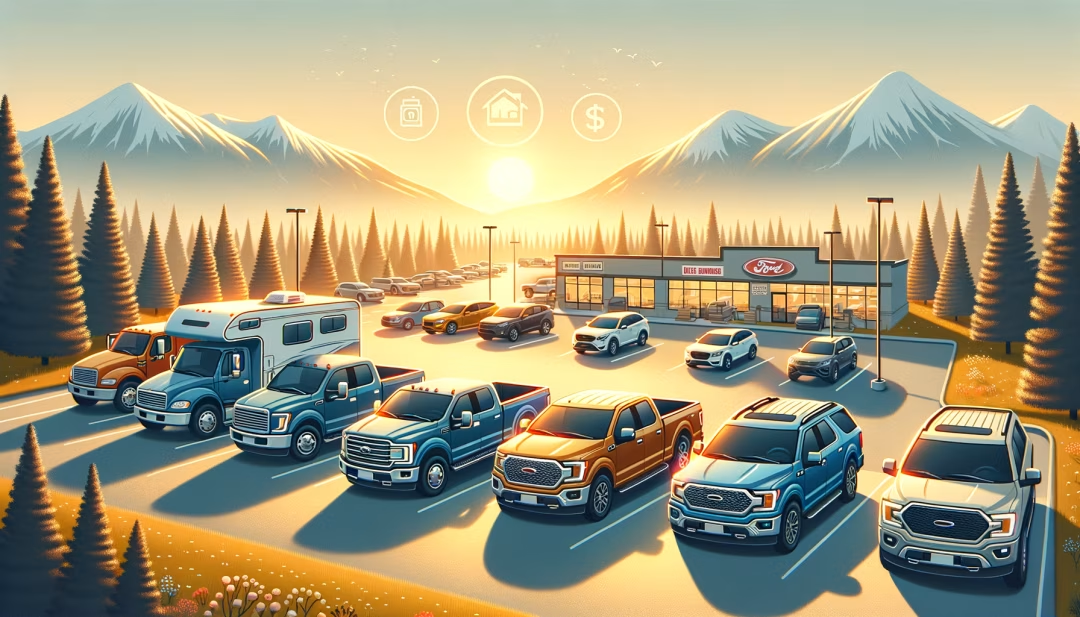
The best choice between a used truck and a used SUV depends on a few core questions. How much do you tow or haul. How many seats do you need. What kind of roads and weather do you face. What fuel and maintenance budget makes sense for you. Trucks shine when you need open bed utility and high towing ratings. SUVs shine when you want enclosed cargo space, easier maneuverability, and family friendly features. Below is a practical comparison to help you decide.
If towing is a regular need, a used truck usually wins. Half ton trucks commonly tow 7,000 to 10,000 pounds with proper equipment, while many midsize trucks tow 5,000 to 7,000 pounds. Full size SUVs can tow well, but most crossovers are rated much lower. For frequent boat, camper, or work trailer towing, a truck powertrain with a dedicated tow package is often the safest and most cost effective route over time. For light duty towing, many body on frame SUVs and a few crossovers may be sufficient. For deeper research on tow ready options, see best-used-vehicles-for-towing and best-used-trucks-for-work.
SUVs provide enclosed cargo zones with split folding seats, making it easy to carry kids, pets, and gear in the same trip. Three row SUVs add seating for larger families. Trucks offer a bed for dirty or oversized items, plus cab styles ranging from regular to crew. If you haul landscaping materials, appliances, or job site tools, a bed can be invaluable. If you transport sports gear next to passengers or want simple car seat installation, an SUV can be more convenient.
Crossovers and many midsize SUVs typically return better mpg than comparable trucks thanks to lighter platforms and more aerodynamic designs. If your commute is long or mostly city driving, an SUV may lower monthly fuel spend. If you want the very best economy, consider options on used-suvs-with-best-fuel-economy or used-trucks-with-best-fuel-economy. Ride quality also differs. Crossovers often feel car like and quiet, while body on frame trucks and SUVs emphasize durability and utility, which can be firmer on rough pavement.
AWD systems are great for on road traction in rain and light snow, automatically transferring power to the wheels with grip. 4WD systems with low range are better for deep snow, mud, and off road travel. Many trucks offer part time or full time 4WD, while SUVs can be found with both AWD and 4WD depending on platform. If you drive in winter states or on unpaved roads, prioritize ground clearance, quality all terrain or winter tires, and a proven traction system. You can explore best-used-vehicles-for-winter-driving, safest-used-suvs, and best-used-off-road-trucks for deeper guidance.
Total cost of ownership includes purchase price, fuel, insurance, maintenance, repairs, and depreciation. Trucks often cost more to buy and insure than similarly aged crossovers, but they also tend to hold value well due to high demand. Many midsize SUVs strike a balance of fair purchase price, strong reliability, and reasonable fuel use. To estimate your long term costs, compare average mpg, tire sizes and prices, brake and suspension parts costs, and insurance quotes for your short list. For model level insights, visit most-reliable-used-trucks, most-reliable-used-suvs, and used-cars-with-lowest-cost-of-ownership.
Modern safety can be a tie breaker. Look for a used truck or SUV with forward collision warning, automatic emergency braking, blind spot monitoring, rear cross traffic alert, and a strong crash test record. Backup cameras are common, but 360 degree cameras simplify parking larger vehicles. Check used-cars-with-best-crash-test-ratings and used-vehicles-with-lowest-recall-rates to prioritize safety confidence.
Midsize trucks are good for mixed work and daily driving. Half ton trucks handle larger trailers and payloads. Compact crossovers maximize mpg and parking ease. Midsize SUVs balance space and comfort. Full size SUVs offer room and strength for larger families and heavier light duty towing. To see top picks and comparisons, explore best-used-trucks, best-used-suvs, best-used-3-row-suvs, and best-used-midsize-suvs.
Used trucks and SUVs cover wide price ranges. To shape a realistic budget, compare interest rates, expected insurance, and maintenance reserves. Review how-interest-rates-affect-used-car-loans, used-car-loan-interest-rates, how-to-finance-a-used-car, and value-my-trade to estimate a comfortable payment and total cost. Shoppers working with credit challenges can learn more at used-cars-for-bad-credit-buyers and how-to-get-approved-for-a-used-car-loan.
Specifications on paper are helpful, but the best match comes from seeing real vehicles and trims. You can compare options across our used-inventory, view past examples in sold-inventory, and research ownership tips in blog. When you are ready to dig deeper into a specific model year or configuration, use research-page-template to organize notes and must have features. For valuation insights, review used-cars-with-best-resale-value and used-cars-with-lowest-depreciation to understand how your choice may hold value over time.
Choose a used truck if you regularly tow heavier loads, need a bed for dirty or oversized cargo, plan to install racks or toolboxes, or need body on frame toughness for job sites. Crew cab trucks can still serve family duty, but you will trade some parking ease and mpg compared to a similar size SUV. If durability and utility sit at the top of your priorities, a truck is usually the wise choice.
Choose a used SUV if you prioritize family friendly seating, enclosed and secure cargo, better parking in urban areas, and lower fuel use. Many crossovers now offer advanced safety suites, quiet cabins, and tech that make daily driving simpler. If you tow only occasionally or lightly and value comfort first, an SUV is often the better long term partner.
Want to learn more about our team and approach. Visit about-us and meet-our-staff. For transparency on policies, see privacy-policy, terms, and visitor-agreement. To explore locations, hours, or to message us, use locations and contact-us. You can also keep up with tips and trends on blog.

