
If you are weighing SUV vs sedan used cars, the best choice comes down to how you drive, who rides with you, and what you haul. Sedans shine with lower purchase prices, better fuel economy, and easy city maneuverability. Used SUVs deliver extra cargo room, higher seating position, available all wheel drive, and confidence on rough roads or in winter weather. Families often favor SUVs for flexible seating and stroller friendly space, while commuters love the quiet, efficient ride of a midsize or compact sedan. This guide breaks down ownership costs, safety features, performance, and resale value so you can compare real world benefits. Explore examples, model tips, and links to helpful research, including value my trade, financing options, and scheduling a test drive. Whether you need a smart city sedan or a road trip ready SUV, you will find clear answers below.
Choosing between a used SUV and a used sedan is easier when you focus on daily needs. Think about passenger space, cargo capacity, fuel costs, and traction for your climate. Use our in depth comparisons, model recommendations, and shopping checklists to zero in on the right fit and a smart price.
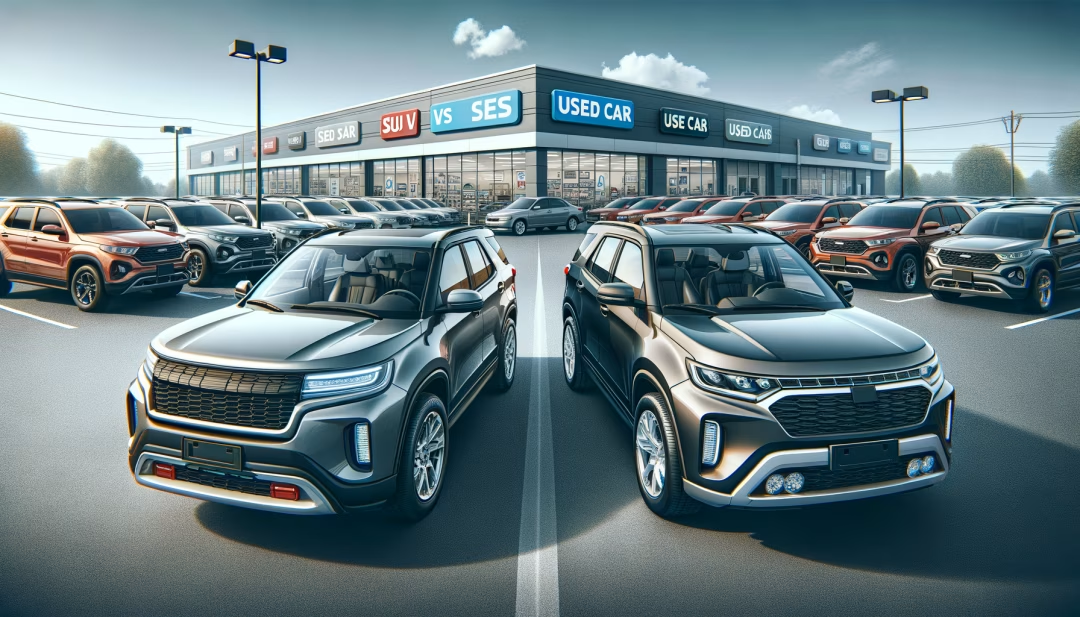
Both body styles can be excellent values on the used market. Sedans are typically lighter, more aerodynamic, and less expensive to buy, fuel, and insure. SUVs offer ground clearance, flexible cargo space, and available all wheel drive. Your best option depends on regular passenger needs, driving terrain, climate, and total cost of ownership over the next three to five years.
Budget is more than the sticker price. Sedans usually deliver stronger fuel economy and lower tire replacement costs. SUVs may cost more to insure because of higher vehicle value, and larger tires can be pricier to replace. However, many compact and midsize SUVs are now very efficient and can narrow the gap, especially hybrid SUVs.
To estimate real numbers for your shortlist, browse our used inventory, then review insights like used cars with lowest cost of ownership and used cars with best resale value. When you are ready, use value my trade to see how your current vehicle offsets the purchase.
SUVs excel when you need flexible cargo and seating. Many offer split folding rear seats, tall cargo openings, and roof rails for outdoor gear. Sedans provide secure trunk storage and a quieter cabin at highway speeds. If you regularly transport pets, strollers, sports gear, or home improvement supplies, an SUV can save time and effort. If you travel light and prioritize a calm, aerodynamic ride, a sedan is the efficient pick.
SUVs typically provide a higher driving position and available all wheel drive for poor weather or light trails. Sedans ride lower, which can mean improved handling, braking, and efficiency. Hybrid powertrains are increasingly common in both segments, giving you near silent low speed operation and strong fuel savings.
Modern safety tech is widely available in both used sedans and SUVs. Look for blind spot monitoring, rear cross traffic alert, forward collision warning, lane keeping assist, and adaptive cruise control. Larger vehicles can feel more substantial in a collision, but what matters most is crash test performance and working safety systems on the specific used vehicle you are considering.
Reliability varies more by model and maintenance history than by body style. Some sedans and SUVs are legendary for going 200,000 miles or more with routine care. Before you buy, review common issues, check for open recalls, and inspect service records.
Pick a used SUV if you regularly need space and traction. Compact SUVs are great for daily driving while offering fold flat cargo areas for big box store runs. Midsize SUVs add towing capability and road trip comfort. Three row SUVs handle carpool duty and growing families. Add roof rails for sports gear, and choose AWD for confidence on snow packed roads or rough driveways.
Choose a used sedan if you drive mainly on paved roads, value quiet comfort, and want to minimize fuel and maintenance expenses. Compact and midsize sedans fit tight parking spots and handle long commutes with ease. Many offer advanced safety tech and smartphone integration at a lower price than a comparable SUV.
A smart payment plan starts with accurate trade value and a competitive rate. If you are deciding between segments, drive both back to back on the same route. Pay attention to seating position, blind spots, braking feel, noise level, and parking ease. Then compare the total monthly cost including insurance and fuel.
Focus on condition and history. Ask for a vehicle history report, confirm maintenance intervals, and inspect tires, brakes, fluids, and battery health. On the test drive, verify that driver assistance features work properly and that the infotainment system pairs smoothly with your phone. Compare total ownership costs across fuel economy, insurance, tires, and projected depreciation.
To make the choice concrete, here are a few common scenarios and which body style often fits best. Remember, condition and individual model reliability will always be more important than the badge or body type.
Continue your research with these resources and guides:
Review our research page template for deeper comparisons, browse current used inventory, and plan your visit using locations. If you have questions, message us through contact us. We are here to help you make a confident choice between a used SUV and a used sedan.
For terms and privacy information, see terms, visitor agreement, and privacy policy. You can learn more about our team at meet our staff and read helpful tips on our blog.

