
Worried about how to avoid buying a bad used car? You are not alone. The right checklist and a few expert tips can help you spot red flags early, verify a vehicle’s history, and make a confident choice. On this page, you will learn how to research models, read a VIN and service history, understand pricing, check for hidden issues, and evaluate financing and warranty options. We will also share practical inspection and test drive steps you can use whether you buy from a dealer or a private party. Want to compare reliable vehicles, set realistic budgets, or understand the cost of ownership before you shop? We have you covered with in depth guides and links to helpful resources across our site, including used inventory and research pages. Use this guide to protect your budget, save time, and find a used car that will serve you well for years.
A smart used car decision starts before you ever see the vehicle. Confirm the title status, scan the vehicle history, compare similar listings, and bring a simple inspection plan to your visit. The steps below outline what to check in minutes and what to verify with a trusted technician, from fluids and frame to electronics and test drive results. Use our internal research and pricing tools to verify value, reliability, and ownership costs before you commit.
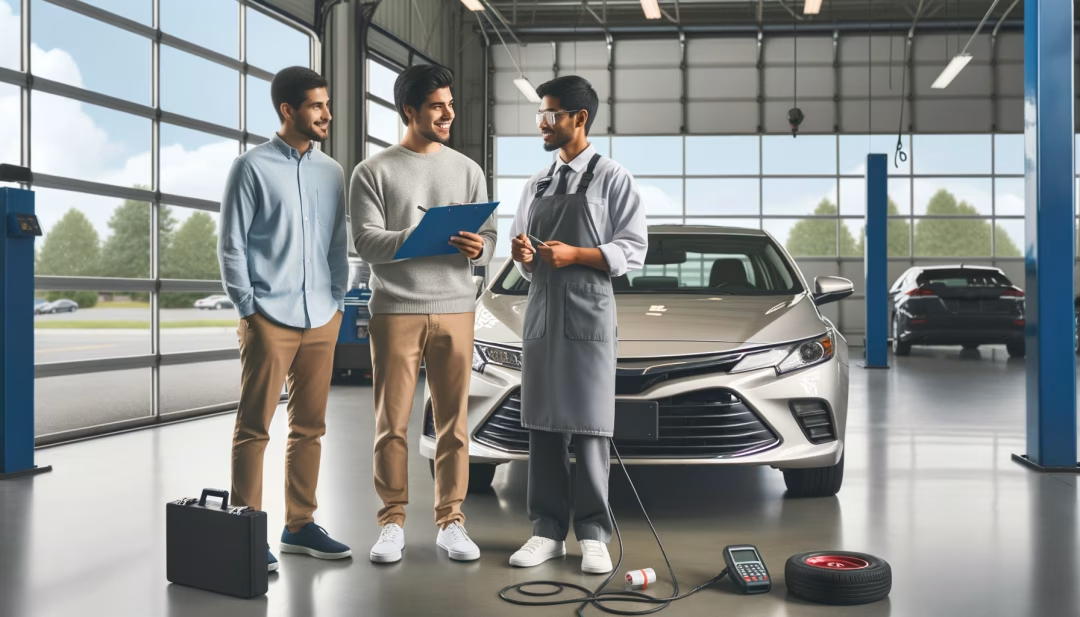
The best way to avoid a bad used car is to narrow your search to models that are known for reliability, predictable maintenance, and strong parts availability. Begin by comparing long term dependability and owner ratings, then filter by your needs such as commute distance, cargo space, all wheel drive, or towing. Our research resources and model roundups can speed this process. Explore reliable picks and buying strategies on pages like most-reliable-used-cars, used-cars-with-lowest-maintenance-costs, and used-cars-with-best-resale-value. When you are ready to see what is available, compare trims and features in our used-inventory and review tips on how-to-buy-a-used-car and used-car-buying-checklist.
Listing photos and descriptions can reveal problems before you spend time on a test drive. Look for signs of crash repairs, inconsistent panel gaps, mismatched tires, or unusual disclosures that hint at title issues or flood damage. Cross check the asking price against market norms and ensure the VIN is visible so that you can run a history check.
Always run a VIN based history and recall check before you spend time on a car. A proper record should show ownership history, reported accidents, mileage progression, and service events. Confirm title status and look for any branded titles. Review open recalls and make sure critical safety recalls are addressed before purchase. Use these guides to learn the process and what each data point means: used-car-vin-check-guide, how-to-check-used-car-history, and used-vehicles-with-lowest-recall-rates. For title, registration, and document steps, see used-car-title-and-registration-guide.
Fair pricing depends on trim, options, mileage, condition, and history. Use public guides and real market comparables to confirm value. Adjust your target price for major reconditioning needs like tires, brakes, or timing belt. Learn how dealers set retail prices, the difference between wholesale and retail data, and how to present your research effectively with pages like how-to-value-a-used-car, how-to-negotiate-a-used-car-price, used-car-wholesale-vs-retail-pricing, and how-dealers-price-used-cars.
Bring a flashlight, paper towel, a small magnet, and your phone. This fast inspection sequence helps you catch structural, cosmetic, and mechanical concerns in minutes. If anything raises concern, plan a professional pre purchase inspection before you buy.
A thorough test drive will reveal issues that photos and idle inspections miss. Drive at neighborhood, city, and highway speeds. Test on rough pavement and during parking maneuvers to listen for clunks or binding. Evaluate heat and air conditioning performance under load.
For any car you are serious about, ask an independent ASE certified technician to complete a lift based inspection, scan for diagnostic trouble codes, check for pending faults, document measurements like brake pad depth and tire tread, and provide a written estimate for any needed repairs. A modest inspection fee can save thousands by helping you avoid engine, transmission, or frame damage. See used-car-inspection-checklist for a printable list to share with your technician.
Bad cars are often bad because they become expensive to own. Build a complete budget that includes payment, insurance, fuel, maintenance, and registration. If you finance, compare rates and terms, and avoid stretching beyond your comfort zone. Consider powertrain or exclusionary service contracts for high tech vehicles if the cost is justified by coverage and vehicle needs. Learn more on how-to-finance-a-used-car, applications, payment-options, used-car-loan-interest-rates, used-car-warranty-guide, and used-car-gap-insurance-explained. If credit is a concern, review can-you-finance-a-used-car-with-bad-credit and how-to-get-approved-for-a-used-car-loan.
If you have a trade, know its value and condition before you negotiate the replacement vehicle. Document maintenance and provide both keys to maximize offers. Estimate your vehicle’s value and learn trade strategies with value-my-trade and used-car-trade-in-guide.
When dependability is the priority, lean on data driven lists that match your life and climate. For winter traction, consider best-used-vehicles-for-winter-driving and safest-used-cars. For fuel savings, see used-cars-with-high-mpg and best-used-hybrid-cars. For family space, compare best-used-3-row-suvs, best-used-minivans, and best-used-family-cars. Budget focused buyers can explore best-used-cars-under-10000, best-used-cars-under-15000, and most-reliable-used-cars-under-15000. For brand specific reliability, review most-reliable-used-toyota-models, most-reliable-used-honda-models, and most-reliable-used-ford-models.
Walk away if the seller refuses a pre purchase inspection, the VIN does not match on body, dash, and title, there is a branded title you did not expect, or you see significant rust on structural components. If repair estimates exceed your savings in the first year, find another vehicle. Patience is cheaper than a rushed mistake.
Complete the title and registration steps promptly, set reminders for maintenance, and fix small problems before they become large. Establish a service relationship with a trusted shop. Keep records to support future resale value. For service needs, visit schedule-service. To learn about ownership costs over time, see used-car-ownership-cost-analysis.
For more learning, browse our blog, see current options in used-inventory, and review our values and process at about-us. Policies and agreements are available at privacy-policy, terms, and visitor-agreement. If you have questions, reach out via contact-us or find a nearby showroom at locations.

