
Finding the best used trucks for plumbers starts with matching real job demands to the right cab, bed, payload, and storage setup. Plumbers need dependable power for hauling pipe, fittings, and water heaters, plus secure tool storage, ladder capacity, and easy upfit options. This guide breaks down the most reliable used pickups for trade work, including half-ton and heavy-duty choices, service-body versus bed-cap considerations, and must-have accessories like ladder racks, pipe carriers, and in-bed power. Explore pros and cons of gas versus diesel, 2WD versus 4x4, and crew cab versus extended cab so your next truck delivers maximum productivity with lower operating costs. For budget planning and long-term value, you will also find inspection tips, mileage targets, and ownership-cost guidance. When you are ready to compare available work-ready units, additional options appear in used-inventory and best-used-trucks, along with brand insights in most-reliable-used-trucks.
Every plumbing business is different, from emergency service to remodels to commercial builds. The trucks below are chosen for durability, upfit flexibility, and total cost of ownership. See payment-options for flexible structures, value-my-trade for transparent equity insights, and schedule-service for ongoing maintenance support. For more research, visit research-page-template or browse best-used-trucks-for-work and best-used-vehicles-for-hauling.
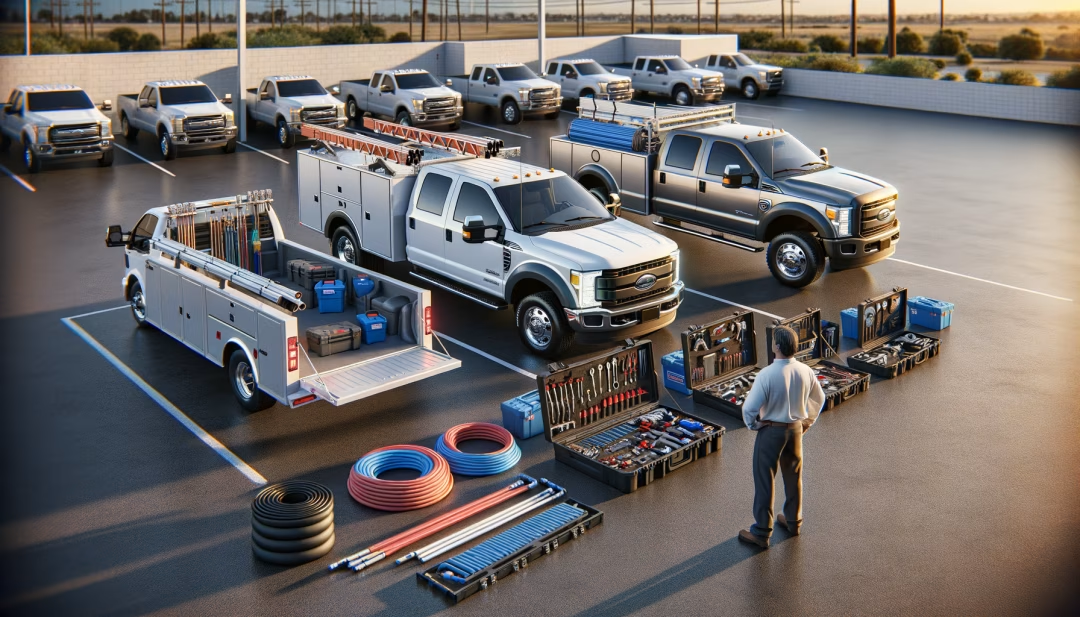
A great plumbing truck balances payload, storage, and reliability. Payload matters for hauling copper or PEX, fittings, drain equipment, generators, and water heaters. Storage and organization determine job speed and security. Reliability and ownership costs keep profits steady. Start by defining your typical daily loadout, number of riders, terrain, and parking limitations. Then match your needs to a truck class, cab layout, bed length, drivetrain, and upfits.
Half-ton trucks handle most residential plumbing needs with balanced payload, fuel economy, and ride comfort. Heavy-duty 2500 and 3500 class trucks shine when frequent trailering, service bodies, or heavy equipment is part of daily work.
If budget is the deciding factor, consider best-used-trucks-under-20000 for value-focused picks. Many of these choices offer proven drivetrains, ready-made ladder racks, and existing bed storage that can save upfit costs. Inventory availability changes often, so recent additions can be seen in used-inventory, and past examples appear in sold-inventory for reference.
Two primary routes exist for plumbers: a utility service body with side boxes or a standard pickup bed with a lockable cap and modular storage. Service bodies maximize exterior-access compartments, which speeds tool retrieval. Bed caps offer weatherproof interior space with lower cost and better aerodynamics than most service bodies.
Upfits convert a truck into a mobile workshop. Prioritize secure storage and safe ladder transport. Organize fittings by size, keep drain equipment accessible, and consider onboard power for tools and camera equipment.
Gas engines fit most residential and light commercial plumbing because they are affordable, simpler to maintain, and quick to warm up during short trips. Diesel excels for frequent towing, heavy payloads, and long highway runs. Consider local fuel costs, typical trailer weights, and how long you plan to keep the truck. For mixed-duty fleets, one diesel for heavy jobs and gas for daily service routes is a practical balance.
In regions with snow, mud, or unpaved job sites, 4x4 improves access and reduces schedule risk. In mild climates with mostly paved routes, 2WD saves weight and cost. Tires matter as much as drivetrain, so choose all-terrain or severe-snow-rated tires where appropriate. For winter guidance, see best-used-vehicles-for-winter-driving and best-used-cars-for-snow for traction insights that also apply to trucks.
Crew cabs carry more team members and provide lockable interior storage for sensitive tools and electronics. Extended cabs trade rear seating comfort for a slightly longer bed on some models. Regular cabs maximize bed length and payload but limit people-carrying flexibility. For bed length, 6.5 foot is a great all-rounder for plumbers, while 8 foot beds provide the most cargo space when ladder racks and pipe carriers are installed.
Many modern pickups run well beyond 200,000 miles with consistent maintenance. Focus on service records, transmission and cooling system health, and evidence of proper upfit wiring. Highway miles are generally easier on drivetrains than stop-and-go urban routes. For longevity references, see used-cars-that-last-over-200000-miles, used-vehicles-with-best-warranty-coverage, and most-reliable-used-trucks.
A careful inspection protects your budget and uptime. Look for overloading signs, frame rust, and compromised wiring. Verify that any aftermarket electrical is fused, loomed, and neatly routed. Ensure the hitch, 7-pin connector, and brake controller work properly. Check for water intrusion under bed caps and in service-body compartments.
Consider total cost of ownership, including fuel, insurance, tires, brakes, and depreciation. Financing details are covered in how-does-used-car-financing-work and used-car-loan-interest-rates, with options summarized in payment-options and applications. If replacing an older rig, value-my-trade can help estimate equity. For protection plans, review used-car-warranty-guide and extended-warranty-for-used-cars. Cost-effective truck choices with dependable reputations appear in best-used-trucks and most-reliable-used-trucks.
Before deciding on a truck, measure ladders, pipe lengths, jetters, camera reels, and storage bins. Visualize the daily workflow from curb to install. Think in zones: ladders and pipe up high, fast-access fittings at waist height, heavy equipment aligned near the axle centerline for balance. Where possible, select trucks already equipped with ladder racks, pipe carriers, or drawer systems to reduce downtime and upfit expense.
Additional guidance and examples are available throughout the site. For inventory, choices appear in used-inventory. Model comparisons and trends can be found in blog and research-page-template. Location and team information is listed under locations and meet-our-staff. Company details and policies can be reviewed on about-us, visitor-agreement, privacy-policy, and terms. For hands-on evaluation, scheduling information is in schedule-a-test-drive and long-term care support is outlined in schedule-service.

